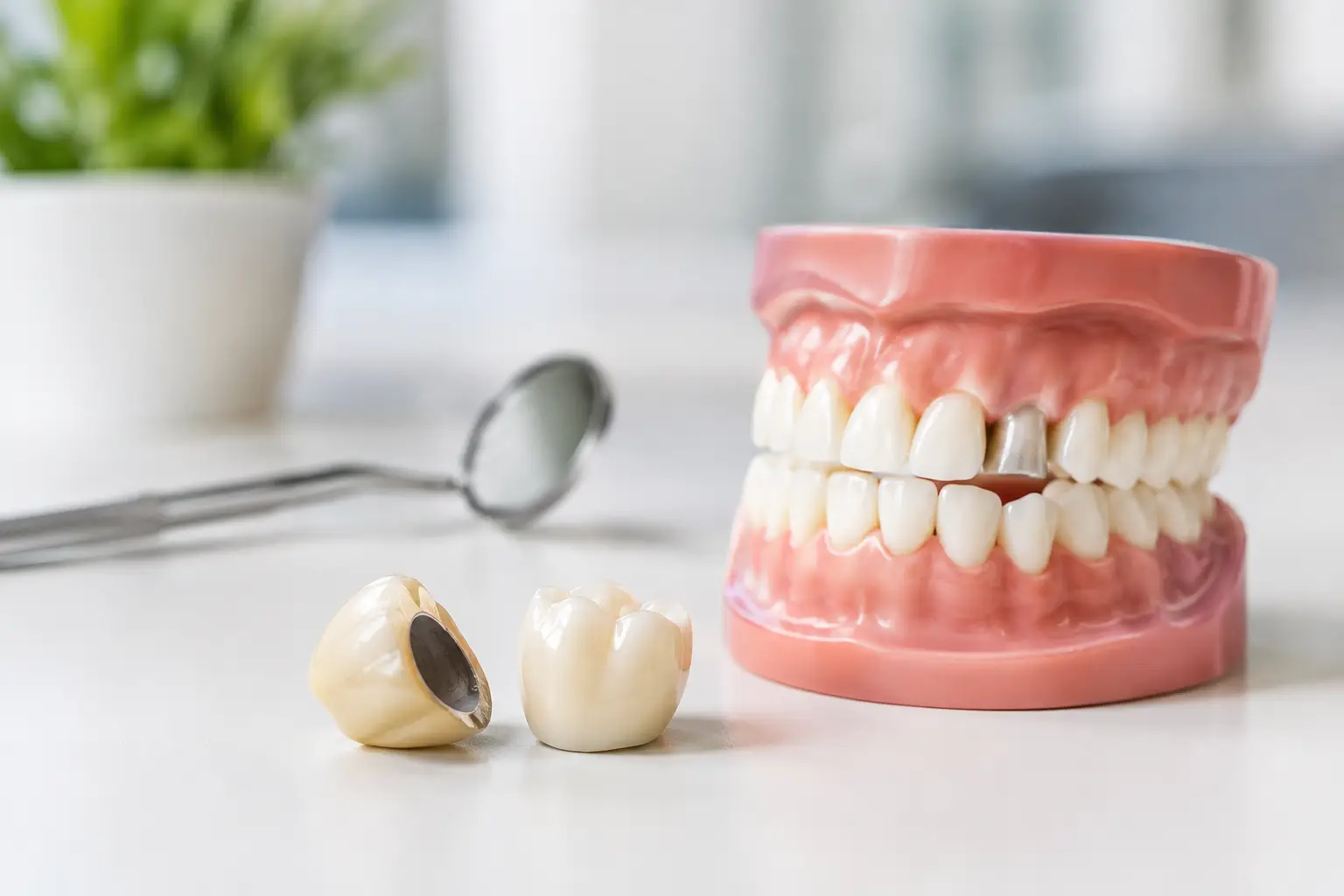
A crown should never be judged by age alone. A restoration can look acceptable in a photograph while the tooth beneath it is developing decay, or it can remain clinically sound yet no longer suit the colour, shape or balance of your smile. If you are asking when should a crown be replaced, the right answer comes from a careful assessment of its function, fit, surrounding gum health and aesthetic harmony.
For a visible front tooth in particular, a crown is part of the overall smile design. It needs to protect the tooth while reflecting light naturally, meeting the gumline cleanly and blending with neighbouring teeth. That is where art meets science: a replacement crown should solve the clinical concern without creating an artificial-looking result.
When should a crown be replaced?
Most well-made crowns last for many years, commonly around 10 to 15 years and sometimes longer with excellent oral hygiene and a favourable bite. However, longevity is not a deadline. Some crowns need attention sooner due to heavy grinding, trauma, recurrent decay or changes in the gumline. Others can be retained beyond their expected lifespan if they remain stable and healthy.
The decision should be based on evidence rather than a routine timetable. A dentist will examine the margins where crown meets tooth, assess your bite, check the supporting tooth and take X-rays where appropriate. This matters because the most significant problems often begin beneath an apparently intact crown.
Signs a crown may need replacement
A professional assessment is worthwhile if you notice any of the following changes:
- Pain, sensitivity to hot or cold, or discomfort when biting can indicate a crack, a leaking edge, decay beneath the crown or inflammation around the nerve.
- A crown that feels loose, moves slightly, or catches food around its edge may no longer have a reliable seal.
- A dark line at the gumline, visible metal, staining that cannot be polished away, or a crown that has become noticeably different in colour can affect smile aesthetics and may signal gum recession or an ageing restoration.
- Chips, fractures, worn porcelain and a rough surface can compromise both appearance and the way your teeth meet.
- Persistent bad taste, repeated gum tenderness or bleeding around one crowned tooth can point to trapped plaque, an ill-fitting margin or an underlying issue requiring treatment.
Not every symptom means the crown itself has failed. Sensitivity, for example, may arise from a neighbouring tooth or from gum recession. Equally, a crown can be free from pain while decay progresses silently under its edge. This is why an examination is more reliable than waiting for discomfort.
What can happen if an old crown is left too long?
A crown protects the visible portion of a weakened tooth, but it does not make that tooth immune to bacteria. If the cement seal breaks down or a gap forms at the margin, plaque can enter the area and cause decay beneath the restoration. Left untreated, this can reduce the amount of healthy tooth available for a new crown.
In more advanced cases, decay or a crack may reach the nerve and require root canal treatment before the tooth can be restored. If the tooth is no longer salvageable, replacing it with a dental implant may become the more predictable long-term option. The aim of reviewing an ageing crown is not to recommend treatment unnecessarily. It is to preserve choices while the underlying tooth is still strong enough for conservative care.
There is also a functional consideration. A worn crown can subtly alter your bite. Over time, that may place excess pressure on the crowned tooth, opposing teeth or jaw muscles, especially if you clench or grind at night. A bite assessment is therefore as valuable as checking the crown’s appearance.
Aesthetic reasons to replace a crown
Many patients replace a crown because their smile has changed, not because the restoration has broken. Natural teeth may darken or be whitened, gums can recede, and older porcelain may lose the translucency and texture associated with a natural tooth. Front crowns made years ago can sometimes appear opaque, flat or slightly mismatched in certain lighting.
Replacing a front crown is a highly individual decision. If it is healthy, well-fitting and visually acceptable to you, there may be no clinical reason to disturb it. But if it affects your confidence in photographs, conversations or professional settings, a carefully planned replacement can be a meaningful refinement.
Modern ceramic crowns can be designed with more nuanced shade layering, surface texture and light reflection. The goal is not simply a whiter tooth. It is a result that belongs naturally within your face, lip line and surrounding teeth. In some cases, a replacement crown is best planned alongside whitening or veneers on adjacent teeth, so the final shade and proportions feel considered rather than pieced together.
What does crown replacement involve?
The existing crown is removed carefully, then the tooth underneath is assessed for decay, cracks and the quality of the remaining tooth structure. Any necessary treatment is completed before a new crown is designed. If there is insufficient tooth structure to support a conventional crown, your dentist may discuss a build-up, root canal treatment, an alternative restoration or, in selected situations, an implant solution.
A temporary crown may be placed while the final restoration is being made. This phase is useful: it can allow the shape, length and bite to be tested, especially for visible teeth or more extensive smile work. Your feedback on speech, comfort and appearance helps guide the final design.
The final material depends on the tooth’s location, bite forces and aesthetic priorities. High-strength ceramics are often chosen for back teeth, where durability is central. For front teeth, layered ceramics may offer exceptional translucency and character. There is no universally best crown material. The best choice is the one that balances strength, tooth preservation and a natural aesthetic in your particular case.
Can a crown be repaired instead of replaced?
Sometimes, yes. A small chip in porcelain may be polished or repaired with composite resin, particularly if the crown’s fit and underlying tooth are healthy. A minor bite adjustment can also resolve a localised pressure point. These conservative options can extend the life of a restoration.
Replacement is generally the better option when there is recurrent decay, a fracture through the crown, a poor margin, significant wear, persistent looseness or a substantial aesthetic mismatch. Repairing a failing crown without addressing the cause can create a short-term improvement while the underlying problem continues.
How to help your next crown last longer
A beautifully made crown still relies on daily care. Brush carefully at the gumline, clean between teeth every day and attend regular examinations and hygiene appointments. Crowns do not decay, but the natural tooth at their margins can.
If you grind your teeth, a custom night guard may protect both your crown and your natural enamel from excessive force. Avoid using crowned teeth to open packaging or bite hard objects, and seek advice promptly if a crown chips, feels different or becomes sensitive. Early attention is often simpler and more conservative than waiting for a visible failure.
For patients travelling to Malaysia for treatment, planning is especially valuable. A replacement crown should not be rushed simply to fit an itinerary. Allowing time for diagnosis, temporary restoration, design review and final fitting supports a result that is comfortable, durable and true to your smile.
A crown replacement is not merely about renewing a dental restoration. It is an opportunity to protect the tooth beneath it and, where desired, refine the detail that makes your smile feel unmistakably your own.