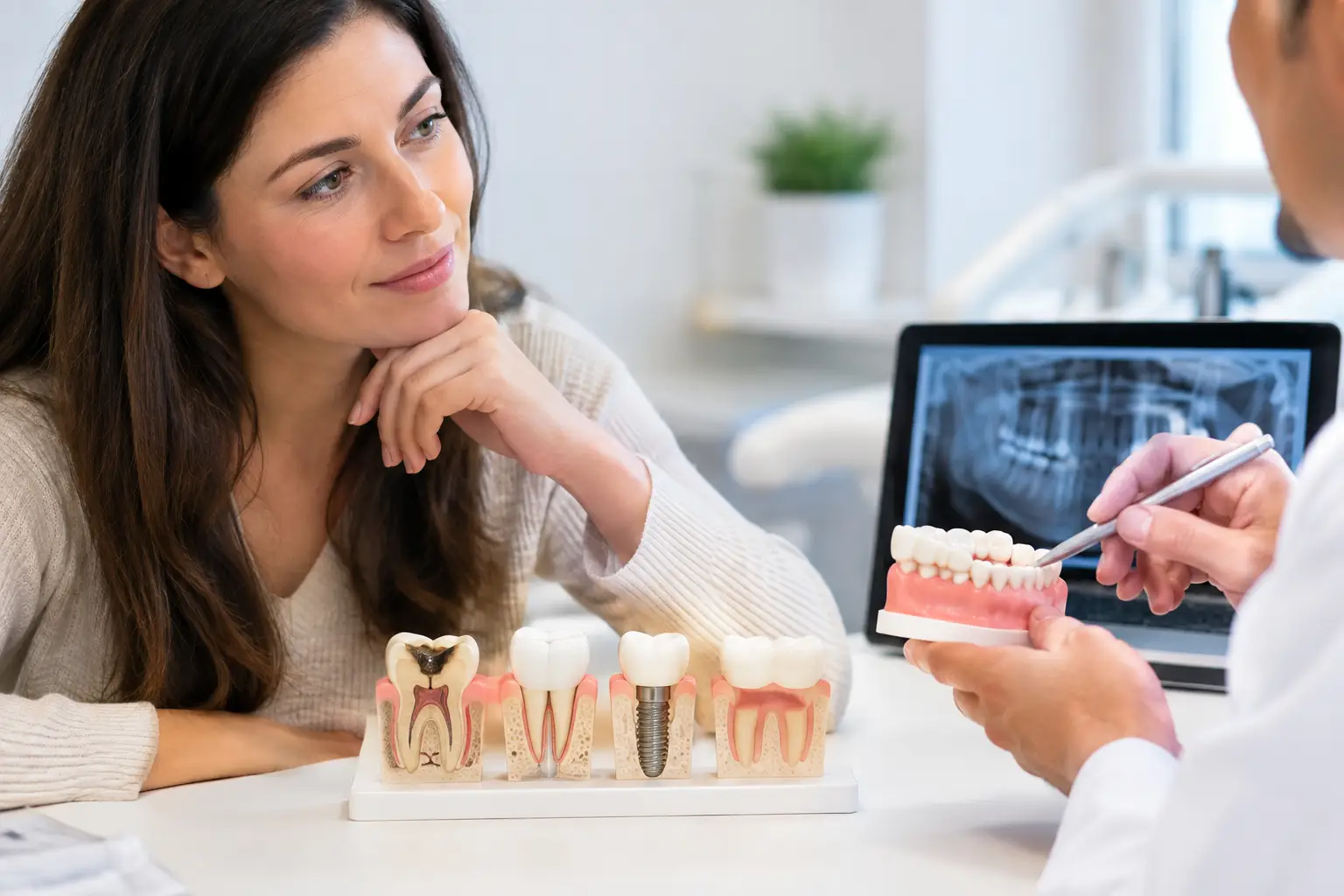
A tooth that has cracked, darkened, become painful or repeatedly needed fillings can make extraction feel inevitable. Yet an extraction alternatives comparison often reveals a more nuanced decision: if the tooth can be predictably restored, retaining it may protect your natural bite, facial harmony and confidence. The best choice is not always the quickest procedure. It is the one that respects both the biology of your mouth and the smile you want to live with.
For appearance-conscious patients, this decision carries more weight than simply removing a problem tooth. A front tooth, for example, shapes speech, smile balance and lip support. A back tooth may not be visible, but it helps preserve efficient chewing and prevents neighbouring teeth from drifting. At Damansara Dental Studio, treatment planning considers the full picture - health, function, longevity and the artistry of a natural-looking result.
When extraction is genuinely the right choice
Extraction is sometimes the most responsible treatment. A tooth may be too compromised to save when decay has extended far below the gum line, a vertical root fracture is present, severe gum disease has destroyed its support, or repeated treatment has left too little healthy structure for a durable restoration.
In these cases, attempting to retain the tooth can lead to recurring infection, discomfort and further expense. Removing it may create a more reliable path towards rehabilitation. The key word is predictably. A clinician should not recommend saving a tooth merely because it is technically possible; the restoration must also have a credible chance of serving you well over time.
Even then, extraction is rarely the end of the conversation. Unless it is a wisdom tooth or there is a specific clinical reason to leave the space, replacement planning matters. Missing teeth can affect bite balance, chewing comfort and the position of adjacent teeth.
Extraction alternatives comparison: the main options
The appropriate alternative depends on what has damaged the tooth: decay, infection, fracture, wear, trauma or gum disease. A detailed examination and dental imaging establish whether the root, surrounding bone and remaining tooth structure can support restoration.
Root canal treatment and a protective crown
When infection has reached the pulp inside a tooth but the root remains sound, root canal treatment can remove the infected tissue while preserving the natural root. The tooth is then typically rebuilt with a filling, core restoration and, where needed, a crown that restores strength and appearance.
This route is particularly valuable for teeth at the front of the smile or key chewing teeth. Keeping the natural root helps maintain the surrounding bone and retains the feel of your own tooth. Modern root canal treatment is performed with local anaesthetic, and the aim is to make the experience as controlled and comfortable as possible.
There are trade-offs. A root-treated tooth can become more brittle, especially if substantial structure has already been lost. It also requires excellent sealing and long-term care. If the tooth has a deep crack or insufficient healthy tissue above the gum, a crown may not deliver a reliable result. In those circumstances, extraction may be more sensible than investing in a restoration with a guarded prognosis.
Direct bonding, inlays and onlays
Not every damaged tooth requires a full crown. Smaller fractures, worn edges and moderate decay can sometimes be repaired with tooth-coloured composite bonding or a laboratory-made ceramic inlay or onlay. These options preserve more of the healthy enamel than a conventional full-coverage crown.
Bonding is often a conservative choice for small visible chips or shape adjustments. It can be refined artistically to harmonise with the colour, translucency and contours of nearby teeth. Ceramic inlays and onlays offer greater strength for larger areas of damage, especially on back teeth where chewing forces are higher.
Their limitation is structural. If a tooth is extensively weakened, a conservative restoration may not provide enough protection. The most aesthetic choice is not always the most suitable one; function must lead the design.
Crowns and veneers for structurally sound teeth
A crown covers the tooth to restore form, function and strength. It may be recommended after a large filling, root canal treatment, significant wear or a fracture that has not extended into the root. High-quality ceramic crowns can be designed with careful attention to shade, light reflection and proportion, so the result looks integrated rather than conspicuous.
Porcelain veneers, by contrast, are primarily an aesthetic treatment. They can improve the front surface of teeth affected by discolouration, minor chips, uneven edges or small gaps, provided the underlying teeth are healthy and stable. A veneer is not a solution for an active infection or a severely fractured tooth. Using a cosmetic treatment to conceal a biological problem only delays the necessary care.
For patients considering a smile transformation, it is often wise to stabilise damaged teeth first. Once oral health is secure, cosmetic planning can create a result that feels both refined and believable.
Periodontal treatment and tooth stabilisation
A loose tooth is not automatically a tooth that must be removed. Gum disease can weaken the supporting tissues around otherwise intact teeth, and treatment may improve stability by controlling inflammation, reducing bacterial deposits and establishing a rigorous maintenance routine.
Some teeth can also be stabilised through bite adjustment or splinting, particularly where grinding or uneven forces have contributed to mobility. However, advanced bone loss may leave a tooth with a poor long-term outlook despite treatment. Your clinician should explain whether the goal is preservation for many years, short-term stabilisation, or preparation for replacement.
Dental implants after extraction
A dental implant is not an alternative that saves the damaged tooth itself. It is a premium replacement option when extraction is unavoidable. An implant replaces the root with a titanium fixture and supports a custom crown designed to suit your bite and smile.
For a single missing tooth, an implant avoids preparing the neighbouring teeth, as would be required for a conventional bridge. It can also help preserve bone in the extraction site. This makes it an appealing option for patients who want a fixed, natural-looking replacement with independent support.
Implants require adequate bone, healthy gums and committed home care. Healing times vary, and additional procedures such as bone grafting may be needed. They are highly sophisticated restorations, not maintenance-free replacements. A saved natural tooth may still be preferable when its prognosis is strong, but a well-planned implant can be an excellent answer when it is not.
Dental bridges and removable options
A fixed dental bridge replaces a missing tooth by attaching a replacement tooth to adjacent teeth. It may be appropriate when neighbouring teeth already need crowns, when implant treatment is unsuitable, or when a shorter treatment timeline is preferred. A bridge can deliver an attractive result, although cleaning beneath it requires a little more attention.
Removable partial dentures can replace one or several teeth at a lower initial cost and may be useful as an interim solution during healing or complex treatment planning. They do not offer the same fixed feel as an implant or bridge, and some patients find them less convenient. Still, they can play a practical role when carefully designed.
How to choose between saving and replacing a tooth
The decision should begin with prognosis, not preference alone. Your dentist will assess the extent of decay or fracture, root health, gum support, bite forces, existing restorations and the condition of surrounding teeth. A tooth with a strong root and enough healthy structure may be worth protecting. A tooth with a vertical crack, persistent infection or severe loss of support may be better replaced before it compromises neighbouring tissues.
Your priorities matter too. If you are preparing for a wedding, a public-facing career moment or international travel, timing may influence the sequence of treatment. That should not mean rushing into extraction. It means creating a clear staged plan, perhaps addressing discomfort and infection first, then completing final aesthetic rehabilitation at the right moment.
Cost should be viewed over the life of the treatment rather than only at the first appointment. A less expensive restoration that fails repeatedly can become more disruptive than a carefully planned definitive option. Conversely, an implant is not automatically better simply because it is advanced. When a natural tooth has a favourable outlook, preserving it can be the most conservative and valuable investment.
The role of smile design in restorative decisions
Restorative dentistry becomes especially considered when the tooth sits within the visible smile. The shape of a crown, implant crown or bridge must relate to the gum line, neighbouring teeth, facial proportions and the way your lips frame your smile. A restoration that is clinically sound but visibly flat, opaque or poorly proportioned may not meet the expectations of a patient seeking a premium result.
This is where art meets science. Clinical assessment determines what can be saved; thoughtful design determines how the final smile looks and feels. Photographs, shade analysis and careful communication about your preferences help guide a result that is individual rather than formulaic.
If you have been told a tooth needs to be removed, ask what makes its prognosis poor, whether any restorative route is realistic, and what replacement would best protect your bite and appearance. The most reassuring plan is one that gives you a clear reason for each step - and leaves you confident that your smile is being cared for with both precision and judgement.